Introduction
Topics in Digital Heritage:
Numerical Methods for Digital Reconstruction
Fall 2026
Welcome to:
Numerical Methods for Digital Reconstruction
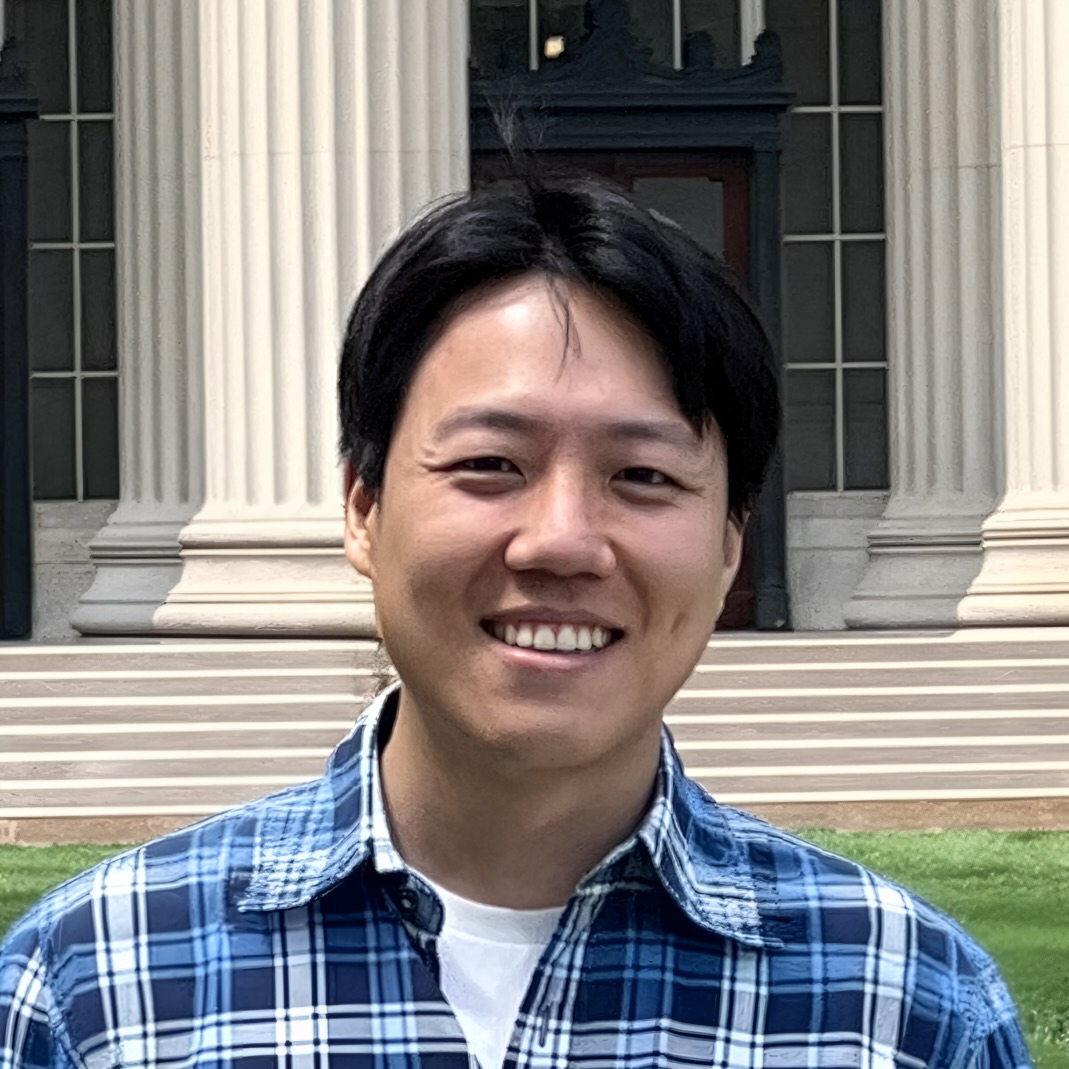
About Jin
- Assistant Professor, KAIST
- Graduate School of Culture Technology (2026 –)
- Work Experience
- MIT
- Postdoc (Research Laboratory of Electronics)
- Meta
- Research Intern (Reality Labs Research)
- Education
- PhD from SNU
- Graduate School of Convergence Science and Technology
- Undergrad from POSTECH
- Lab Website
Research Interests
- Research Interests
- Physical Modeling Sound Synthesis
- Numerical Sound Synthesis
- Musical Acoustics
- Related Keywords
- Virtual Studio Technology Instrument (VSTi)
- Physics-based Computer Simulation
- Computer Aided Design (CAD), Fabircation
Course Materials
- Lecture:
- Tue./Thu. 05:30 PM - 7:00 PM
- N25 #3229
- Course website: https://jnwoo.com/teaching/
- Office hours: TBD
- Either in-person or online (Zoom)
- Send an email to schedule an appointment!
- Please feel free to bug me when you are not getting a reply.
- It’s okay to just walk in, but I may not be available at that time.
Course Breakdown
- 9 Quizzes (0%)
- MUD (Most Unclear Discussion) Question
- 8+1 Assignments (80%)
- The first one (Pset 0) doesn’t count, 10% each after that
- Not many problems (typically 1–2) per assignment
- See the syllabus for details on the submission deadlines
- 2 late-submission exception tickets
- No Midterm/Final Exam
- Final Project (20%)
- Proposal (0%)
- Final Project Presentation (10%)
- Final Project Report (10%)
Use of Generative AI in Coursework
Using generative AI or seeking advice from it is considered equivalent to receiving assistance from another person. In particular, the use of generative AI tools to substantially complete programming assignments is not permitted.
Numerical Methods for Digital Reconstruction
So, it’s Topics in Digital Heritage..
It’s.. “Digital” Heritage
- This course will rather focus on
- practicing the numerical methods
- on simpler physical systems
- with examples from everyday life and of course fun applications!
Intended Learning Outcomes (ILOs)
By the end of this course, students will be able to…
- Explain the mathematical foundations of numerical methods and identify which method is most appropriate for a given digital reconstruction problem.
- Implement core numerical algorithms and apply them to model physical phenomena relevant to graphics and audio domain.
- Critically evaluate simulation results for accuracy, stability, and convergence, and articulate the trade-offs between different numerical approaches.
Course Calendar Breakdown
Week 1 – 3: Intro, Linear Systems
Week 4 – 5: Nonlinear Systems, Iterative Methods
- Sep 24th: Chuseok Holiday (No Lecture)
Week 6 – 8: Interpolation, Numerical Integration and Differentiation
- 10/19–23 Midterm Exam Week (No Lecture)
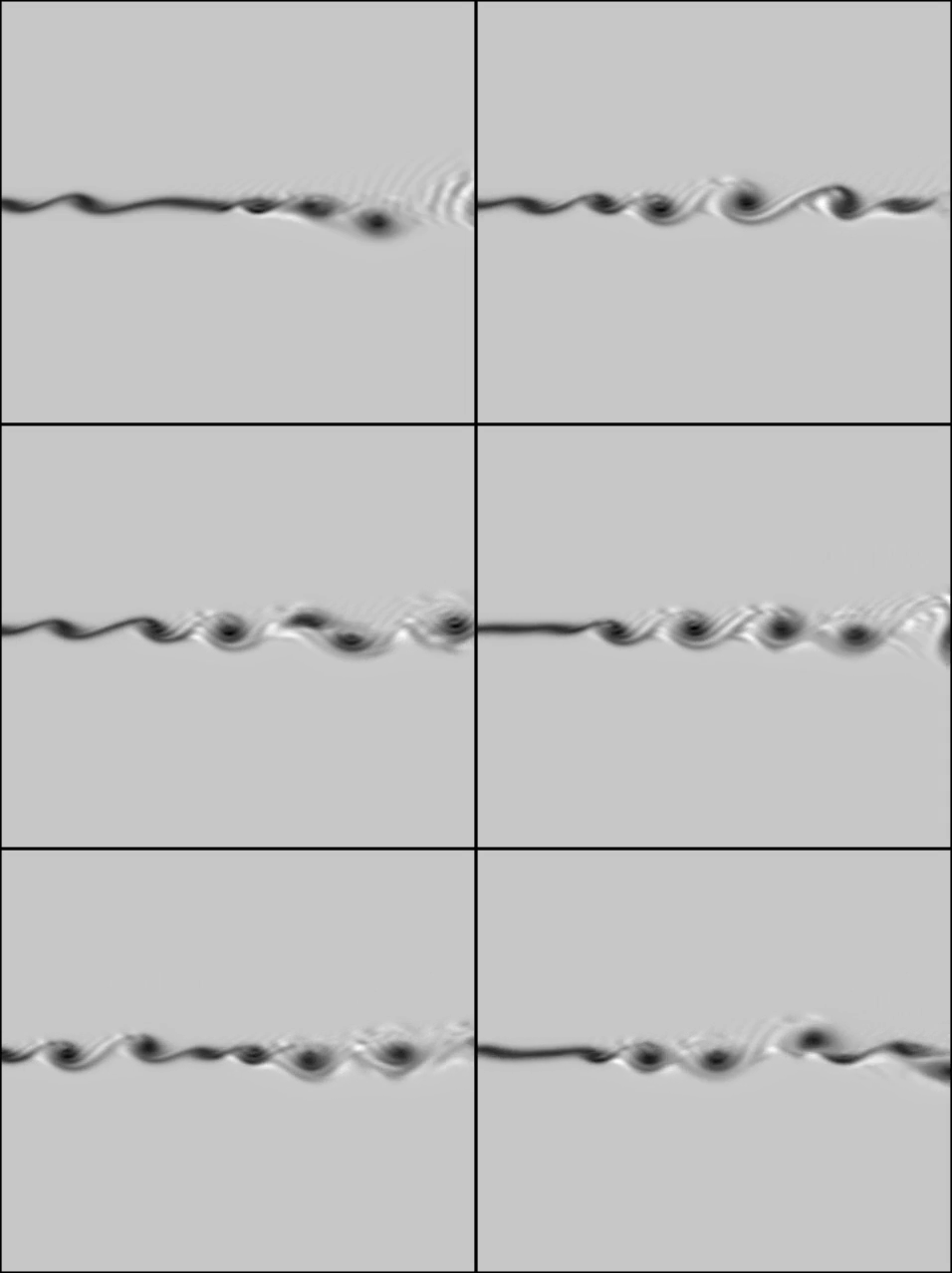
Week 9 – 11: ODEs, PDEs, and Wave Equations
Week 12 – 13: Applications to Instrument Modeling
Week 13 – 14: How to CAD and 3D Print
Week 14 – 15: Open Office Hours & Final Project Presentations
- Open Office Hours (12/08)
- Participation is optional, but highly encouraged!
- You can use this week to catch up on assignments, review course materials, or seek any advice from the instructor.
- Or just focus on your own projects. The choice is yours!
- Final Project Presentations (12/10)
- Each student will present their final project in front of the class.
- The final project report will be due after the presentation.
Final Project
Simulate a physical, sound-producing object or instrument in a digital environment
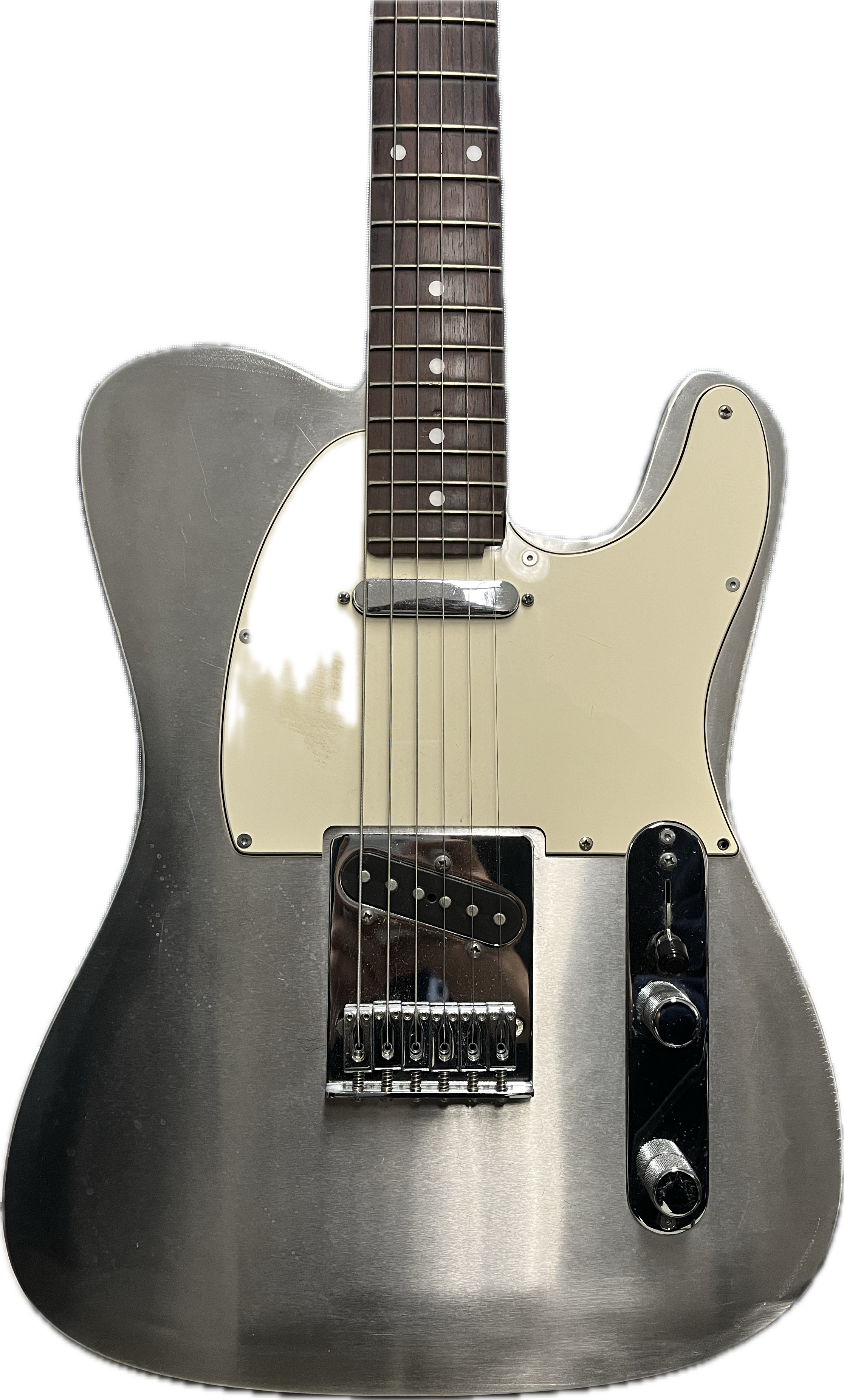
- Virtual Instrument (Violin, Flute, Trumpet, Guitar, etc.)
- Virtual Object (e.g., 왁뿌볼, Water Droplet, etc.)
Ideal Project Paths: Follow one of the following paths:
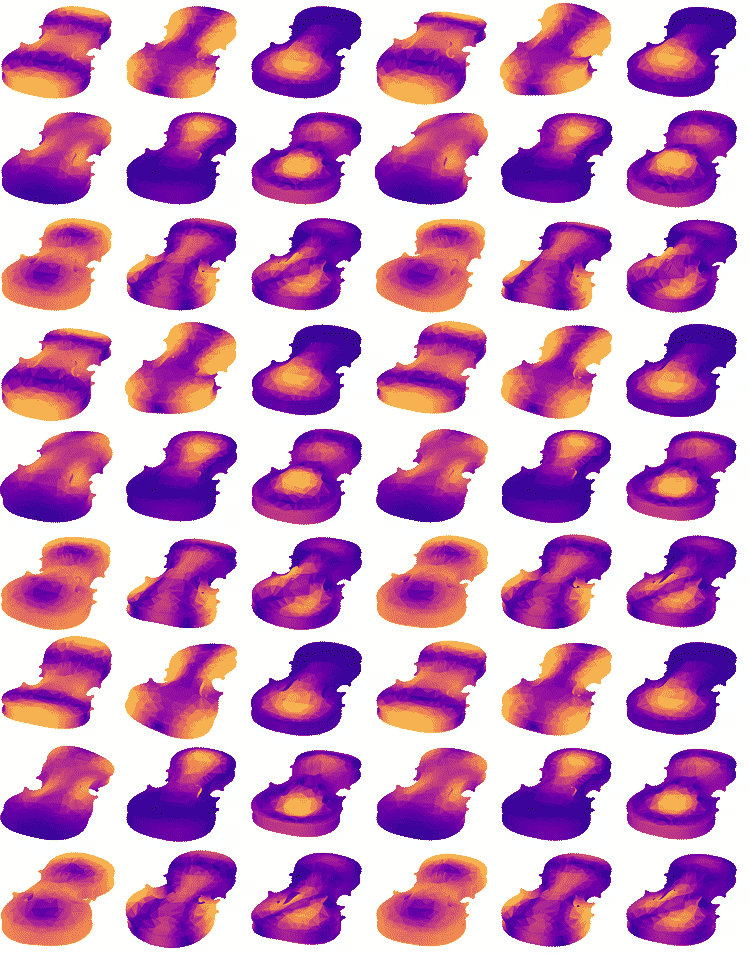
Analysis & Simulation: Simulate an existing real-world musical instrument on a computer and demonstrate how closely the simulated sound matches the original.
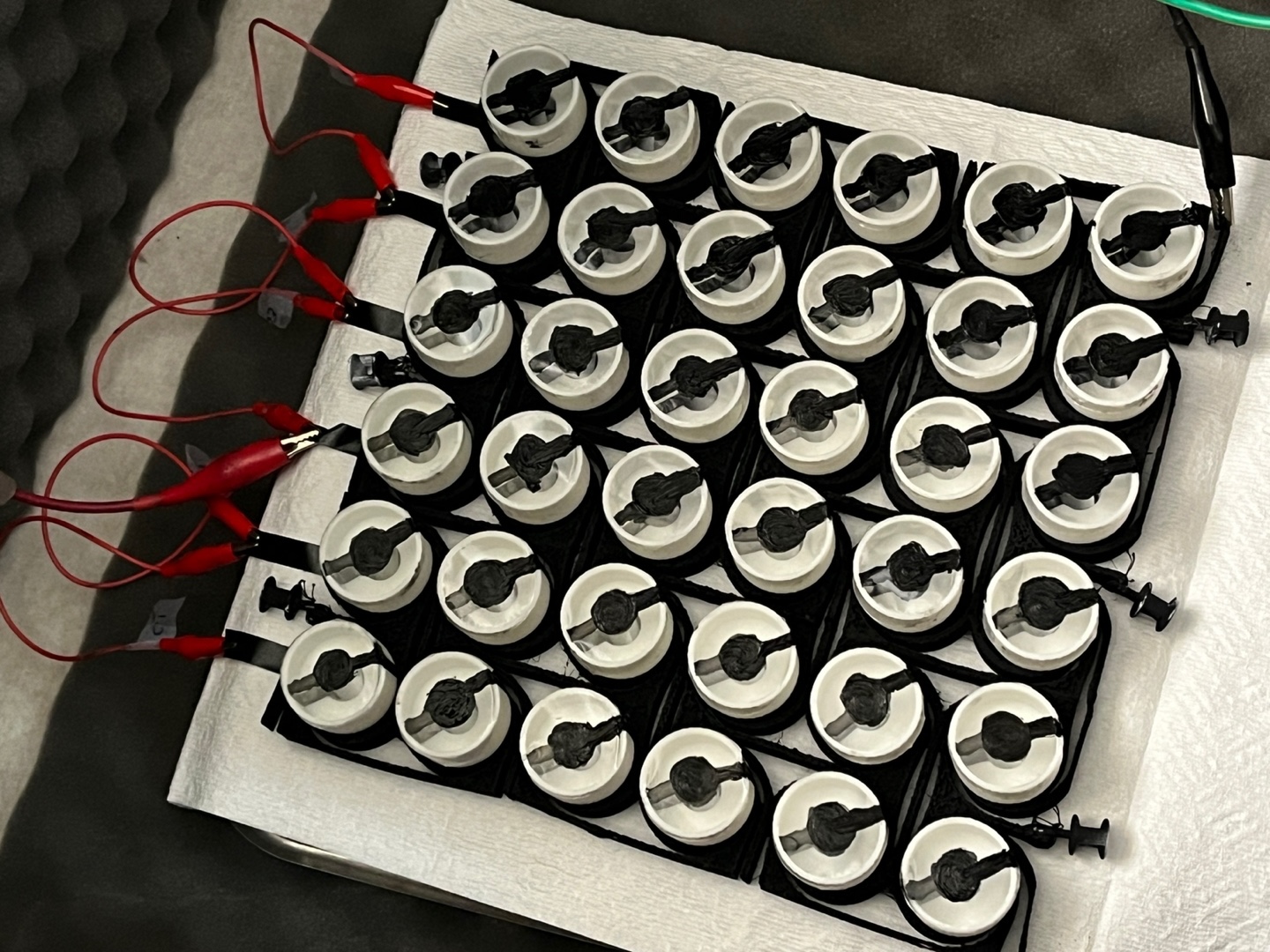
Design & Verification: Design a completely new instrument digitally, simulate its acoustics, physically construct the instrument based on that design, and verify the acoustic match between the two.
Important Announcement!
- No classes on:
- Sep 1st (Tue): This recording substitutes the lecture for this day.
- Sep 3rd (Thu): Make-up class TBD
- In-person classes will start from Sep 8th
 Jin Woo Lee